台灣鐵道觀光有限公司,西元2006年在台灣台北市淡水線雙連車站成立籌備處,主要業務至全台灣的台鐵、高鐵、桃園機場捷運、台中捷運、高雄捷運、台北捷運、新北捷運、鹽鐵、煤鐵、森鐵、軍用鐵道和其他鐵道的田野調查工作/研究業務範疇涵括:鐵道拍攝、口述訪談紀錄、鐵道文獻史料的搜集暨典藏、鐵道歷史、觀光和文化的研究工作/比較屬於一個鐵道歷史文化的社會教育的機構,故公司內部組織有設置「鐵道研究員」的編制/主掌全台灣鐵道的歷史、文化、觀光、餐飲、旅遊、觀光飯店、通運(遊覽車、計程車、租賃車)交通、鐵道經營暨管理、停車場、全台灣交通發展及其影響評估企劃案的企劃與執行、鐵道建設公司等其他研究企劃案的企劃和執行),未來以邁向鐵道經營暨管理、鐵道文化創意產業、鐵道觀光飯店、鐵道交通(通運)事業、鐵道旅遊和鐵道百貨公司、鐵道博物館等,作為本公司經營的遠景和努力的工作目標。
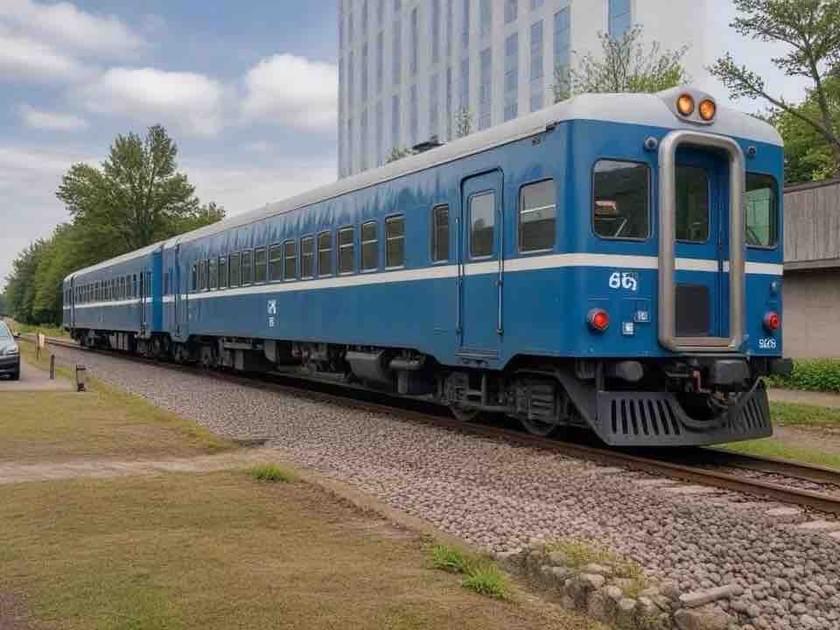

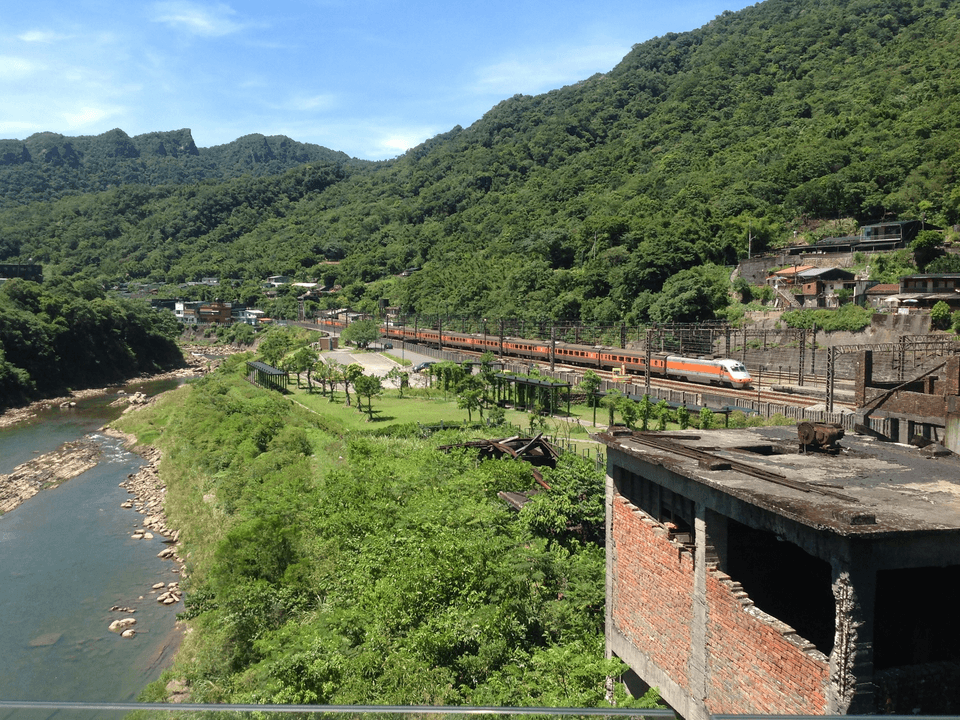
![Explore Taiwan railway culture and history, experience the unique beauty of railway tourism! Taiwan Railway Tourism Co., Ltd. In AD 2006, the person in charge of this company graduated from the Department of History at National Taiwan University and had just left the position of station staff at Taipei Metro Corporation Operations Department, immediately engaging in field surveys and transportation research projects such as Yilan Study and Taiwan Railway Tourism; in AD 2025 May, Taiwan Railway Tourism Co., Ltd. Taipei City Government Commercial Department approved its establishment (document number: Government Industry Commercial No. 11449212900), immediately based on the business scope approved by the Ministry of Economic Affairs: industry incubation, conference and exhibition services, non-store retailing as the main business; on May 23, 2025, the Taipei National Taxation Bureau of the Ministry of Finance sent a letter (document number: Cai Bei Guo Shui Da Tong Business No. 1143602863) approving the unified business registration number: 60793091, established at the current registered address. Based on the vision of the 'National' Railway Museum's operation, as the basis for this company's vision (full text quoted from the National Railway Museum) (citation date: 2026/08/01): mobility, industrial development, land changes, urban development and other visible aspects, railways as a century-long national infrastructure have simultaneously promoted the evolution of politics, economy, technology, and culture. Reflecting on Taiwan's railway development over the past century, railway-related elements continuously serve as carriers of memory and stories through physical forms, imagery, stages, etc., appearing in literature, fine arts, music, and film works. It is said that railways have become an inseparable part of Taiwan's culture and memory, deeply integrated into the everyday life experiences of ordinary people, and even regarded as natural and unconscious. As the industrial landscape along the railway lines transforms and relocates, and the original railway lines face urban development waves, gradually elevating and undergrounding, the National Railway Museum must respond to discussions on how to understand and position the transformation model of Taipei Depot, rather than merely as the best way to continue the history of Taipei Depot. The world trend in museology has already entered the practice of public museology, actively responding to contemporary social issues, using museum techniques to offer critical interpretations, and involving different social and cultural understandings and interpretations of public issues, making museums inclusive public spaces. Therefore, Taiwan Railway Tourism Co., Ltd. not only tells the relationship between railways and Taiwan's tourism culture but also operates based on the philosophy and starting point of 'railway seeing tourism, railway seeing travel, the serendipitous encounter of railway and Taiwan's history and culture'; to meet the expectations of Taiwanese society, the initial operation adopted the direction of 'small big company,' reinterpreting Taiwan's railway, tourism, and cultural historical memory, and aiming to develop 'Taiwan railway, metro, high-speed rail, and Taiwan forest railway transportation management' as a long-term goal; the medium-term goal is centered on 'Taiwan railway transportation operation and management'; the short-term goal is primarily focused on 'Taiwan railway tourism operation and management' research; the company employs staff entirely in accordance with the Ministry of Education's regulations for university researchers; in the early stages of operation, the organizational structure was divided into: [Company organizational structure] 1. Administrative team 2. Railway tourism, culture, history operation and management research.](http://custom-images.strikinglycdn.com/res/hrscywv4p/image/upload/c_limit,fl_lossy,h_9000,w_1200,f_auto,q_auto/26109265/FF3F7D18-FCFA-41BA-82E1-93320A36252F.jpg)